Welcome to the future of cloud-powered applications. If you’re exploring or already using Azure apps, you’re on the right path to scalable, secure, and intelligent software deployment. Let’s dive into everything you need to know to master Azure apps in 2024.





What Are Azure Apps and Why They Matter

Microsoft Azure apps refer to a broad ecosystem of cloud-based services and platforms that allow developers and businesses to build, deploy, and manage applications through Microsoft’s global cloud infrastructure. These apps are not just hosted software—they are intelligent, scalable, and integrated with AI, security, and DevOps tools out of the box.
Azure apps span multiple service models: Infrastructure as a Service (IaaS), Platform as a Service (PaaS), and Software as a Service (SaaS). This flexibility makes Azure a top choice for startups, enterprises, and government organizations alike. Whether you’re running a simple web app or a complex AI-driven microservices architecture, Azure apps provide the foundation.
Core Components of Azure Apps
The strength of Azure apps lies in their modular architecture. You can pick and choose services based on your needs. Key components include:
- Azure App Service: A fully managed platform for building web, mobile, and API apps.
- Azure Functions: Serverless compute for event-driven workloads.
- Azure Kubernetes Service (AKS): For containerized applications using Docker and Kubernetes.
- Azure Logic Apps: Automate workflows without writing code.
- Azure API Management: Secure and publish APIs at scale.
Each of these services integrates seamlessly, allowing you to build complex systems without managing underlying infrastructure.
How Azure Apps Differ from Traditional Hosting
Traditional hosting requires you to manage servers, patches, scaling, and backups manually. With Azure apps, Microsoft handles the infrastructure, while you focus on code and business logic. This shift reduces operational overhead and accelerates time-to-market.
For example, deploying a web app on a traditional server might take days of configuration. With Azure App Service, you can deploy in minutes using GitHub Actions, Visual Studio, or CLI tools. Auto-scaling, DDoS protection, and global content delivery are built-in.
“Azure apps transform how organizations innovate—by removing infrastructure friction and enabling rapid iteration.” — Microsoft Azure Case Study, 2023
Top 7 Benefits of Using Azure Apps
Organizations worldwide are migrating to Azure apps for compelling reasons. From cost savings to advanced AI integration, the benefits are transformative. Let’s explore the top seven advantages that make Azure apps a game-changer.
1. Scalability That Adapts to Demand
One of the most powerful features of Azure apps is auto-scaling. Whether you experience a sudden spike in traffic or plan for seasonal growth, Azure automatically adjusts resources.
For instance, an e-commerce platform using Azure App Service can scale from 10 to 10,000 users during a Black Friday sale—without manual intervention. You only pay for what you use, thanks to Azure’s pay-as-you-go model.
This elasticity is impossible with on-premise servers and difficult to achieve with traditional cloud VPS setups.
2. Enterprise-Grade Security and Compliance
Security is not an afterthought in Azure apps—it’s embedded from the ground up. Azure offers over 90 compliance certifications, including GDPR, HIPAA, ISO 27001, and FedRAMP.
Features like Azure Active Directory (AAD), multi-factor authentication (MFA), and private endpoints ensure that your apps are protected against breaches. Data is encrypted at rest and in transit by default.
Additionally, Azure Security Center provides unified security management and advanced threat protection across hybrid cloud environments.
3. Global Reach with Azure Regions
Azure operates in over 60 regions worldwide—the most of any cloud provider. This global footprint allows you to deploy Azure apps close to your users, reducing latency and improving performance.
For example, a fintech app serving customers in Europe, Asia, and North America can deploy instances in Frankfurt, Singapore, and Virginia. Traffic Manager routes users to the nearest endpoint, ensuring fast load times.
This geographic flexibility also helps meet data sovereignty laws, where user data must remain within national borders.
How to Get Started with Azure Apps
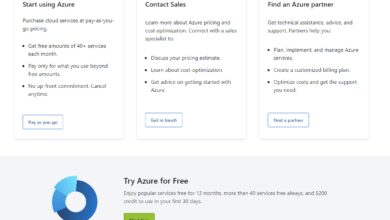
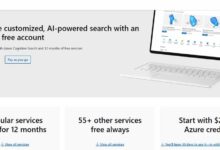
Starting with Azure apps doesn’t require a massive upfront investment. Microsoft offers a free account with $200 in credits and access to over 25 always-free services for 12 months.
Here’s a step-by-step guide to launching your first Azure app:
Step 1: Create an Azure Account
Visit Azure Free Tier and sign up using your Microsoft account. You’ll need a credit card for verification, but you won’t be charged unless you upgrade.
Once registered, you gain access to the Azure portal—a web-based dashboard for managing all your resources.
Step 2: Deploy Your First Web App
Navigate to the Azure portal and search for “App Services.” Click “Create” and choose your subscription and resource group. Select a runtime stack (e.g., .NET, Node.js, Python) and configure your app name.
You can deploy code directly from GitHub, Azure DevOps, or your local machine. For beginners, Azure provides sample apps to test deployment.
In under 5 minutes, your app will be live with a default URL like yourapp.azurewebsites.net.
Step 3: Monitor and Optimize Performance
After deployment, use Azure Monitor to track app performance, logs, and errors. Set up alerts for high CPU usage or failed requests.
Azure Advisor provides personalized recommendations to improve cost, security, and reliability. For example, it might suggest enabling auto-scaling or upgrading to a more efficient pricing tier.
“The Azure portal is intuitive, but the real power lies in its integration with DevOps tools and AI-driven insights.” — TechRadar, 2023
Advanced Azure Apps: Beyond Basic Web Hosting
While many start with simple web apps, Azure apps offer advanced capabilities for modern development. From serverless computing to AI-powered automation, these tools enable innovation at scale.
Azure Functions: Serverless Computing Made Easy
Azure Functions lets you run small pieces of code (functions) in response to events—like an HTTP request, a file upload, or a database change—without managing servers.
For example, when a user uploads an image to Azure Blob Storage, a function can automatically resize it, apply filters, and store the result. You only pay for the milliseconds your code runs.
This event-driven model is perfect for microservices, background processing, and IoT data handling.
Azure Logic Apps: No-Code Workflow Automation
Not all automation requires coding. Azure Logic Apps provides a visual designer to create workflows that connect apps, data, and services.
Imagine a scenario where a new lead in Salesforce triggers an email via Outlook, creates a task in Microsoft To-Do, and logs the event in Excel—all without writing a single line of code.
Logic Apps integrates with hundreds of SaaS platforms, including Slack, Twitter, and Google Sheets, making it a powerful tool for business process automation.
Azure API Management: Secure and Scale Your APIs
If your app exposes APIs, Azure API Management is essential. It acts as a gateway, providing rate limiting, authentication, analytics, and developer portals.
You can version APIs, enforce policies, and monitor usage in real time. This is critical for organizations offering public APIs or managing internal microservices.
For example, a banking app can use API Management to expose loan eligibility checks to third-party fintech partners while ensuring compliance and security.
Integrating AI and Machine Learning with Azure Apps
One of Azure’s standout features is its deep integration with artificial intelligence. You can embed AI capabilities into your Azure apps without being a data scientist.
Using Azure Cognitive Services
Azure Cognitive Services offers pre-built AI models for vision, speech, language, and decision-making.
For instance, you can add facial recognition to a security app using the Computer Vision API, or enable voice commands in a mobile app with Speech to Text.
These services are accessible via REST APIs or SDKs, making integration straightforward. You pay per transaction, so it’s cost-effective for startups and enterprises alike.
Building Custom ML Models with Azure Machine Learning
For more advanced use cases, Azure Machine Learning allows you to build, train, and deploy custom models.
You can use automated ML to find the best algorithm for your dataset, or bring your own code using Python and Jupyter notebooks.
Once trained, models can be deployed as web services and integrated into Azure apps. For example, a retail app can use a recommendation engine to suggest products based on user behavior.
Azure ML also supports MLOps—DevOps for machine learning—ensuring models are monitored, retrained, and version-controlled.
AI-Powered DevOps with GitHub Copilot and Azure
Microsoft’s acquisition of GitHub has led to deep integration between Azure apps and developer tools. GitHub Copilot, powered by AI, suggests code in real time, reducing development time.
When combined with Azure Pipelines, developers can automate testing, deployment, and monitoring. This AI-augmented DevOps pipeline accelerates innovation while maintaining quality.
“AI isn’t replacing developers—it’s empowering them to build smarter apps faster.” — Satya Nadella, CEO of Microsoft
Cost Management and Optimization for Azure Apps
While Azure offers powerful tools, costs can spiral without proper management. The key is to monitor, analyze, and optimize resource usage continuously.
Understanding Azure Pricing Models
Azure uses a consumption-based pricing model. You pay for compute time, storage, bandwidth, and service usage.
For example, Azure App Service charges based on the pricing tier (Free, Basic, Standard, Premium). Higher tiers offer more CPU, memory, and features like auto-scaling and staging slots.
Serverless services like Azure Functions charge per execution and memory used. This can be extremely cost-effective for sporadic workloads.
Tools for Cost Monitoring
Azure Cost Management + Billing provides detailed reports on spending across subscriptions and resource groups.
You can set budgets and receive alerts when thresholds are exceeded. For example, if your monthly app budget is $500, you’ll get an email at 80% and 100% usage.
The tool also identifies idle or underutilized resources—like a virtual machine running 24/7 when it’s only needed during business hours.
Strategies for Cost Optimization
To keep Azure app costs under control:
- Use reserved instances for predictable workloads (up to 72% savings).
- Enable auto-shutdown for non-production environments.
- Choose the right pricing tier—don’t over-provision.
- Leverage Azure Hybrid Benefit to use existing Windows Server licenses.
- Use blob storage tiers (hot, cool, archive) based on access frequency.
Regular audits and tagging resources (e.g., “Project-X”, “Dev”, “Prod”) help track spending by team or department.
Real-World Use Cases of Azure Apps
Theoretical benefits are great, but real-world examples show the true power of Azure apps. Let’s look at how organizations across industries are leveraging Azure.
Healthcare: Remote Patient Monitoring
A major hospital network built a remote patient monitoring system using Azure apps. IoT devices collect vital signs (heart rate, blood pressure) and send data to Azure IoT Hub.
Azure Stream Analytics processes the data in real time, triggering alerts if values are abnormal. The dashboard, built with Azure App Service and Power BI, allows doctors to monitor patients from anywhere.
This system reduced emergency room visits by 30% and improved patient outcomes.
Retail: Personalized Shopping Experience
A global retailer uses Azure apps to power its e-commerce platform. Azure Kubernetes Service runs the microservices architecture, while Azure Cognitive Services analyzes customer images and preferences.
When a user uploads a photo, the app suggests matching clothing items using computer vision. Azure Machine Learning personalizes product recommendations based on browsing history.
The result? A 25% increase in conversion rates and higher customer satisfaction.
Manufacturing: Predictive Maintenance
An industrial manufacturer deployed sensors on machinery to predict failures before they occur. Data flows into Azure Event Hubs and is processed by Azure Databricks.
Machine learning models predict equipment degradation, allowing maintenance teams to act proactively. This reduced downtime by 40% and saved millions in repair costs.
All insights are visualized in a custom dashboard hosted on Azure Static Web Apps.
“Azure apps enabled us to move from reactive to predictive operations.” — CTO, Siemens Energy
Future Trends in Azure Apps
The cloud landscape is evolving rapidly, and Azure apps are at the forefront of innovation. Here are key trends shaping the future:
Edge Computing with Azure IoT Edge
As latency-sensitive applications grow (e.g., autonomous vehicles, AR/VR), processing data closer to the source becomes critical. Azure IoT Edge allows you to run Azure services and AI models directly on edge devices.
For example, a smart camera can run facial recognition locally without sending video to the cloud, improving speed and privacy.
This hybrid cloud-edge model is expected to dominate in industries like logistics, healthcare, and smart cities.
AI-Driven App Development
Microsoft is embedding AI deeper into the development lifecycle. Tools like GitHub Copilot, Azure Applied AI Services, and AutoML are making AI accessible to all developers.
In the near future, you might describe an app idea in plain English, and Azure will generate the code, deploy it, and optimize performance automatically.
Sustainability and Green Cloud Computing
Microsoft has committed to being carbon negative by 2030. Azure apps are becoming more energy-efficient, with data centers powered by renewable energy.
Developers can now use the Azure Sustainability Calculator to estimate the carbon footprint of their apps and choose regions with lower emissions.
This focus on sustainability is not just ethical—it’s becoming a competitive advantage for brands.
What are Azure apps?
Azure apps refer to applications and services built on Microsoft Azure’s cloud platform. They include web apps, mobile apps, APIs, serverless functions, and AI-powered solutions that leverage Azure’s global infrastructure for scalability, security, and performance.
How much does it cost to run Azure apps?
Costs vary based on usage. Azure offers a free tier with $200 credit and 12 months of free services. After that, pricing is pay-as-you-go. A basic web app might cost $13/month, while complex AI or Kubernetes workloads can range from hundreds to thousands of dollars monthly. Use Azure Pricing Calculator to estimate costs.
Can I migrate my existing app to Azure?
Yes. Azure provides tools like Azure Migrate and Database Migration Service to seamlessly move on-premise or cloud-hosted apps to Azure. Many platforms (WordPress, .NET, Node.js) are fully supported, and migration can often be completed with minimal downtime.
Is Azure better than AWS for apps?
Both Azure and AWS are leaders in cloud computing. Azure excels in integration with Microsoft products (Windows, Office 365, Active Directory), hybrid cloud scenarios, and enterprise support. AWS has a broader service catalog and slightly longer market presence. The best choice depends on your tech stack, compliance needs, and existing infrastructure.
How do I secure my Azure apps?
Use Azure Security Center for centralized monitoring, enable multi-factor authentication, encrypt data at rest and in transit, use private endpoints, and follow the principle of least privilege. Regularly apply updates and conduct security audits using Azure Defender.
Mastering Azure apps is no longer optional—it’s essential for staying competitive in today’s digital landscape. From effortless scalability to AI integration and global reach, Azure provides the tools to build the next generation of intelligent applications. Whether you’re a solo developer or an enterprise CTO, the platform offers a path to innovation, efficiency, and growth. Start small, experiment with the free tier, and scale as you learn. The future of app development is in the cloud, and Azure is leading the way.
Further Reading: