Ever felt overwhelmed navigating the vast world of cloud computing? Don’t worry—Microsoft’s Azure Portal is your ultimate control center, simplifying complex tasks with a sleek, intuitive interface. Whether you’re a beginner or a pro, this guide will help you master it like a boss.



What Is the Azure Portal and Why It Matters

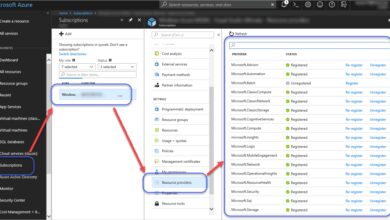
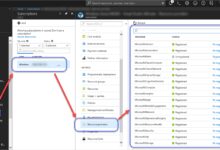
The Azure Portal is Microsoft’s web-based interface for managing all Azure cloud services. Think of it as the cockpit of a high-tech aircraft—everything you need to deploy, monitor, and manage cloud resources is right at your fingertips. From virtual machines to AI models, the portal brings order to the chaos of cloud infrastructure.
A Comprehensive Dashboard for Cloud Management
When you log into the Azure Portal, you’re greeted with a customizable dashboard. This is where you can pin frequently used services, monitor resource health, and view billing alerts. It’s not just functional—it’s designed for efficiency.
- Drag-and-drop widgets for real-time monitoring
- Role-based access control (RBAC) integration
- Support for multiple subscriptions and tenants
How Azure Portal Compares to CLI and PowerShell
While Azure CLI and PowerShell offer powerful scripting capabilities, the Azure Portal wins in accessibility. You don’t need to memorize commands—just point, click, and configure. That said, the portal complements command-line tools rather than replacing them.
“The Azure Portal is the gateway for 80% of new Azure users—it lowers the barrier to entry for cloud adoption.” — Microsoft Azure Adoption Report, 2023
Getting Started: Setting Up Your Azure Portal Account
Before diving into advanced features, you need access. Setting up an Azure Portal account is straightforward, whether you’re using a free trial, pay-as-you-go, or an enterprise subscription.
Step-by-Step Account Creation
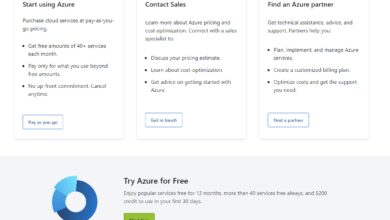
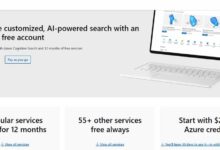
Visit Azure Free Account to sign up. You’ll need a Microsoft account or work/school email. The free tier includes $200 in credits and access to over 25 always-free services for 12 months.
- Verify your identity with a phone number
- Enter payment details (no charges until free tier expires)
- Choose your country and time zone
Understanding Subscriptions and Tenants
In Azure, a subscription is a billing and management boundary. A tenant (or directory) represents your organization in Azure Active Directory (Azure AD). You can have multiple subscriptions under one tenant, which is ideal for separating environments like dev, test, and production.
Navigating the Azure Portal Interface Like a Pro
The Azure Portal’s interface is clean, but its depth can be intimidating. Mastering navigation is the first step to efficiency. Let’s break down the key components.
The Left-Hand Navigation Menu
This is your command center. It includes links to:
- Home: Your default landing page
- Resource groups: Logical containers for related resources
- Virtual machines: Compute power on demand
- Storage accounts: Blob, file, and disk storage
- Monitor: Logs, alerts, and metrics
You can collapse or pin this menu for a clutter-free view.
Search Bar and Quick Create
The global search bar at the top is your best friend. Type any service name—like “App Service” or “Cosmos DB”—and jump directly to it. The “+ Create a resource” button lets you deploy new services in seconds, often with guided wizards.
Managing Resources with Azure Portal
One of the core functions of the Azure Portal is resource management. Whether you’re launching a VM or configuring a database, the portal streamlines the process.
Creating and Deploying Virtual Machines
Deploying a VM is as easy as clicking “Create a resource” > “Virtual Machine.” You’ll choose:
- Region (e.g., East US, West Europe)
- Image (Windows, Linux, or custom)
- Size (from basic B1s to GPU-optimized NVv4)
- Authentication method (password or SSH key)
The portal even estimates costs before deployment.
Using Resource Groups for Organization
Resource groups are essential for organizing your cloud environment. For example, group all dev resources in “RG-Dev-AppStack” and production in “RG-Prod-AppStack.” This makes cleanup, billing, and access control much easier.
“We reduced deployment errors by 40% just by standardizing resource group naming across teams.” — DevOps Lead, TechCorp Inc.
Monitoring and Security in the Azure Portal
Deploying resources is only half the battle. Monitoring performance and securing your environment are critical—and the Azure Portal excels in both.
Leveraging Azure Monitor and Alerts
Azure Monitor collects telemetry from your resources. In the portal, you can:
- View real-time CPU, memory, and network usage
- Set up alerts for thresholds (e.g., CPU > 80%)
- Analyze logs with Kusto queries in Log Analytics
These tools help you catch issues before they impact users.
Implementing Security with Azure Security Center
Azure Security Center (now part of Microsoft Defender for Cloud) provides unified security management. From the portal, you can:
- Get security recommendations (e.g., enable disk encryption)
- Detect threats using AI-driven analytics
- Enforce compliance with industry standards (ISO, HIPAA, etc.)
It’s a must-have for any production environment.
Automation and DevOps Integration via Azure Portal
The Azure Portal isn’t just for manual operations. It integrates seamlessly with DevOps practices and automation tools.
Using Azure DevOps and CI/CD Pipelines
You can trigger CI/CD pipelines directly from the portal. For example, after deploying a web app, link it to an Azure DevOps project to automate builds and deployments. The portal shows pipeline status and logs in real time.
Exporting Templates and Infrastructure as Code
Need to replicate an environment? The portal lets you export any resource group as an ARM (Azure Resource Manager) template. This JSON file defines your infrastructure and can be version-controlled in Git. It’s a cornerstone of Infrastructure as Code (IaC) practices.
Customization and Personalization Features in Azure Portal
The Azure Portal isn’t one-size-fits-all. It offers robust customization to match your workflow.
Building Custom Dashboards
You can create personalized dashboards with tiles showing VM status, cost trends, or custom metrics. These dashboards can be shared with teams or kept private. Perfect for ops teams needing a single pane of glass.
Using Tags for Cost Management and Governance
Tags are key-value pairs you attach to resources (e.g., “Environment: Production”, “Owner: John”). In the portal, you can filter and group resources by tags, making cost allocation and policy enforcement easier. Finance teams love this for chargeback reporting.
Common Challenges and How to Solve Them in Azure Portal
Even with its power, users face common hurdles. Let’s tackle the big ones.
Permission and Access Issues
“I can’t see my resources!” is a frequent cry. This usually stems from RBAC misconfigurations. Ensure your account has the right role (e.g., Contributor, Reader) on the subscription or resource group. Use the “Access control (IAM)” blade to assign roles.
Cost Overruns and Budgeting
Cloud costs can spiral. The Azure Portal includes a built-in Cost Management tool. Set budgets, get alerts, and analyze spending by service or tag. Pro tip: Shut down non-critical VMs outside business hours to save 60-70%.
Advanced Tips and Hidden Features of Azure Portal
Now for the pro moves—features many users overlook.
Using Cloud Shell Directly in the Portal
The Azure Portal includes an embedded Cloud Shell (Bash or PowerShell). No local setup needed. Use it to run CLI commands, edit files with Vim/Nano, or automate tasks—all from your browser.
Keyboard Shortcuts and Accessibility Tools
Boost productivity with shortcuts:
- Ctrl + /: Open command palette
- Ctrl + Q: Focus on search bar
- F11: Full-screen mode
The portal also supports screen readers and high-contrast themes for accessibility.
Future of Azure Portal: Trends and Upcoming Features
Microsoft continuously enhances the Azure Portal. What’s next?
AI-Powered Assistance and Copilot Integration
Rumors suggest Azure Portal will integrate Microsoft Copilot, offering AI-driven suggestions for optimization, security fixes, and cost savings. Imagine typing “Fix high CPU usage” and getting automated remediation steps.
Enhanced Multi-Cloud and Hybrid Support
While Azure Portal focuses on Microsoft’s cloud, it’s expanding support for hybrid scenarios via Azure Arc. Soon, you might manage AWS and GCP resources from a single pane—though full multi-cloud control remains a work in progress.
What is the Azure Portal?
The Azure Portal is a web-based console that allows users to manage Microsoft Azure services, deploy resources, monitor performance, and configure security settings—all through a graphical interface.
Is the Azure Portal free to use?
Yes, access to the Azure Portal is free. However, the resources you create and manage within it (like VMs or storage) incur costs based on usage. Microsoft offers a free tier with $200 in credits for new users.
How do I secure my Azure Portal account?
Enable Multi-Factor Authentication (MFA), use strong passwords, assign least-privilege roles via RBAC, and monitor sign-in logs in Azure AD. Also, consider using Conditional Access policies for extra security.
Can I automate tasks in the Azure Portal?
Absolutely. You can use Azure Automation, Logic Apps, or export ARM templates for Infrastructure as Code. The embedded Cloud Shell also lets you run PowerShell or CLI scripts directly from the browser.
What’s the difference between Azure Portal and Azure CLI?
The Azure Portal provides a graphical user interface (GUI) ideal for beginners and visual management. Azure CLI is a command-line tool for scripting and automation, preferred by developers and DevOps engineers for repeatable tasks.
Mastering the Azure Portal is no longer optional—it’s essential for anyone working in the cloud. From intuitive navigation and robust monitoring to automation and security, the portal empowers teams to build, manage, and scale with confidence. Whether you’re launching your first VM or optimizing a global infrastructure, the tools are at your fingertips. Stay updated, leverage best practices, and don’t hesitate to explore its hidden features. The future of cloud management is here, and it’s running on Azure.
Further Reading: