Want to calculate Azure costs accurately and avoid surprise bills? You’re not alone. With Microsoft Azure’s vast array of services, understanding your spending can feel overwhelming—until now. Let’s break it down step by step.




Why You Need to Calculate Azure Costs Accurately

Understanding your cloud expenditure isn’t just about budgeting—it’s about control, efficiency, and long-term scalability. Microsoft Azure offers over 200 services, from virtual machines to AI tools, and each comes with its own pricing model. Without a clear method to calculate Azure costs, organizations risk overspending by 30% or more, according to a 2023 Flexera State of the Cloud Report. That’s why proactive cost management is non-negotiable.
Prevent Budget Overruns
One of the biggest challenges in cloud adoption is the unpredictability of costs. Unlike traditional on-premises infrastructure, where expenses are fixed, cloud costs can spike due to auto-scaling, data egress, or idle resources. By learning how to calculate Azure costs effectively, you gain visibility into usage patterns and can set alerts before spending exceeds thresholds.
- Set up budget alerts in Azure Cost Management.
- Use forecasting tools to predict next month’s spend.
- Identify non-production environments running 24/7.
“Without cost visibility, cloud migration can quickly turn into a financial black hole.” — Gartner, 2022
Optimize Resource Utilization
Many organizations over-provision resources ‘just in case,’ leading to massive waste. For example, a VM running at 10% CPU utilization for months is a clear sign of inefficiency. By calculating Azure costs regularly, you can right-size instances, delete orphaned disks, and shut down unused services.
- Use Azure Advisor to get optimization recommendations.
- Review VM sizing and consider switching to reserved instances.
- Monitor storage accounts for stale or redundant data.
Key Components That Influence Azure Pricing
To calculate Azure costs precisely, you must first understand the pricing drivers. Azure’s model is usage-based, meaning you pay only for what you consume. However, the complexity arises from the interplay of multiple factors across compute, storage, networking, and additional services.
Compute Costs: VMs, Containers, and Serverless
Compute is often the largest cost center in Azure. Whether you’re using Virtual Machines (VMs), Azure Kubernetes Service (AKS), or serverless functions like Azure Functions, each has a different pricing structure.
- Virtual Machines: Billed per second (Linux) or per minute (Windows), based on instance size, region, and OS.
- AKS: The control plane is free, but you pay for the underlying VMs, load balancers, and storage.
- Azure Functions: Pay-per-execution model with free grants each month.
To calculate Azure costs for compute, use the Azure Pricing Calculator, which lets you simulate different configurations and estimate monthly bills.
Storage Costs: Blob, Disk, and Archive Tiers
Storage pricing depends on the type, redundancy, access tier, and region. For example, hot-tier blob storage is more expensive than archive-tier but offers faster retrieval.
- Blob Storage: Charged per GB stored, transactions, and data egress.
- Managed Disks: Pricing varies by disk type (SSD, HDD) and size.
- Backup & Archive: Long-term retention incurs lower storage fees but higher retrieval costs.
Understanding these tiers helps you calculate Azure costs more accurately and choose cost-effective options for infrequently accessed data.
Networking and Data Transfer Fees
Often overlooked, networking can significantly impact your bill. Data egress (data leaving Azure) is charged per GB, while ingress (data entering) is usually free.
- Egress to the internet: Tiered pricing based on volume.
- Cross-region replication: Charges apply when copying data between regions.
- Load Balancers and Application Gateways: Hourly rates plus data processing fees.
For global applications, these fees can add up quickly. Always factor in data transfer when you calculate Azure costs.
Tools to Calculate Azure Costs Effectively
Microsoft provides several native tools to help you monitor, analyze, and forecast your Azure spending. Leveraging these tools is essential to gain full cost transparency.
Azure Pricing Calculator
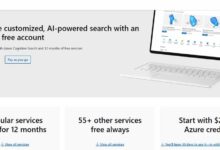
The Azure Pricing Calculator is the go-to tool for estimating costs before deployment. It allows you to build a virtual environment by selecting services, regions, and configurations, then generates a detailed cost estimate.
- Compare different VM sizes and their monthly costs.
- Add networking components like bandwidth and load balancers.
- Export estimates to share with stakeholders.
This tool is invaluable for teams planning new projects or migrations, helping them calculate Azure costs in advance and avoid financial surprises.
Azure Cost Management + Billing
Once resources are live, Azure Cost Management becomes your primary tool for tracking actual spending. Integrated directly into the Azure portal, it provides real-time insights into usage and costs.
- View cost trends by service, resource group, or subscription.
- Set custom budgets with email alerts.
- Generate reports for finance and management teams.
You can also integrate Cost Management with Power BI for advanced analytics. This enables teams to calculate Azure costs dynamically and identify anomalies quickly.
Third-Party Cost Optimization Tools
While Azure’s native tools are robust, third-party platforms offer enhanced features like multi-cloud support, AI-driven recommendations, and automated remediation.
- Datadog Cloud Cost Management: Combines performance and cost data for holistic insights.
- Cloudability (by Apptio): Offers detailed showback/chargeback reporting.
- Spot.io: Focuses on auto-optimizing compute costs using spot instances.
These tools are especially useful for enterprises managing complex, multi-cloud environments where simply calculating Azure costs isn’t enough—you need actionable intelligence.
Step-by-Step Guide to Calculate Azure Costs
Now that you understand the components and tools, let’s walk through a practical process to calculate Azure costs accurately. This method works for both new deployments and existing environments.
Step 1: Inventory Your Azure Resources
Start by listing all active resources across subscriptions. Use the Azure portal’s ‘Cost Analysis’ blade or run a PowerShell script to export resource data.
- Identify VMs, databases, storage accounts, and PaaS services.
- Note their regions, sizes, and ownership (e.g., dev, prod).
- Tag resources properly (e.g., ‘Environment=Production’, ‘Owner=TeamX’).
Proper tagging is critical—it allows you to filter and group costs later when you calculate Azure costs by department or project.
Step 2: Gather Usage Metrics
Next, collect actual usage data over a billing cycle (typically 30 days). Use Azure Monitor and Log Analytics to pull CPU, memory, disk I/O, and network usage.
- Analyze peak vs. average utilization.
- Identify underused VMs (e.g., CPU < 15%).
- Check for idle load balancers or public IPs.
This data helps you determine whether you’re overpaying for capacity.
Step 3: Apply Pricing Models
Now, map each resource to its pricing model. Use the Azure Pricing API or the calculator to get up-to-date rates.
- For VMs: Multiply hourly rate by uptime.
- For storage: Apply per-GB/month rate based on tier.
- For data transfer: Add egress costs based on destination region.
For example, a D4s v3 VM in East US costs ~$0.192/hour. Running it 24/7 for a month totals ~$138. Add OS licensing, storage, and egress for the full picture.
Step 4: Forecast and Compare Scenarios
Once you have a baseline, simulate cost-saving scenarios. What if you reserved instances? What if you moved cold data to archive storage?
- Use reserved instance calculators to estimate savings (up to 72%).
- Model shutdown schedules for non-production environments.
- Compare pay-as-you-go vs. hybrid benefit pricing.
This step transforms cost calculation from a reactive to a strategic activity.
Common Mistakes When Trying to Calculate Azure Costs
Even experienced teams make errors that inflate their bills. Recognizing these pitfalls is half the battle in controlling cloud spend.
Ignoring Idle or Orphaned Resources
One of the most common issues is leaving test environments, old VMs, or unattached disks running. These “zombie” resources can account for 20-35% of total cloud costs.
- Regularly audit unattached disks and delete them.
- Use Azure Policy to enforce auto-shutdown for dev VMs.
- Tag all resources with expiration dates.
“We found $18,000/month in wasted spend from idle resources.” — Azure customer case study, Microsoft
Overlooking Data Egress Charges
Teams often forget that moving data out of Azure incurs fees. Streaming videos, API responses, or backups sent to on-premises systems all count as egress.
- Use Azure CDN to reduce egress costs for content delivery.
- Avoid frequent cross-region data transfers.
- Monitor egress trends in Cost Management.
For global applications, consider regional deployment strategies to minimize data movement.
Misunderstanding Reserved Instance Commitments
While Reserved Instances (RIs) offer significant savings (up to 72%), they require upfront commitment and careful planning.
- Don’t reserve VMs you might decommission soon.
- Use Azure Hybrid Benefit to apply existing Windows Server licenses.
- Monitor RI utilization to avoid underuse penalties.
Always calculate Azure costs before purchasing reservations to ensure ROI.
Best Practices for Ongoing Azure Cost Management
Calculating Azure costs isn’t a one-time task—it’s an ongoing discipline. Implementing best practices ensures long-term financial health in the cloud.
Implement Resource Tagging Strategy
Tags are metadata labels that help categorize resources. A consistent tagging strategy enables granular cost tracking.
- Use tags like ‘Project’, ‘Environment’, ‘Cost Center’, ‘Owner’.
- Enforce tagging via Azure Policy (e.g., deny resource creation without tags).
- Use tags in Cost Analysis reports to allocate spending.
For example, filtering by ‘Environment=Dev’ can reveal how much non-production resources cost monthly.
Leverage Automation for Cost Control
Manual monitoring doesn’t scale. Use automation to enforce cost policies and optimize resources.
- Schedule auto-shutdown for dev/test VMs using Azure Automation.
- Trigger alerts when budgets exceed 80%.
- Use Logic Apps to notify teams of idle resources.
Automation reduces human error and ensures consistent cost governance.
Conduct Regular Cost Reviews
Hold monthly cloud cost review meetings with IT, finance, and business units.
- Review top cost drivers and optimization opportunities.
- Validate reserved instance usage and renewals.
- Update forecasting models based on actuals.
These reviews foster accountability and continuous improvement.
Advanced Strategies to Reduce Azure Costs
Once you’ve mastered the basics of how to calculate Azure costs, it’s time to explore advanced optimization techniques that can save 40-60% on your bill.
Use Azure Reserved Instances and Savings Plans
Reserved Instances allow you to commit to 1- or 3-year terms in exchange for steep discounts. Savings Plans offer flexible compute commitments across services.
- RIs save up to 72% on VMs compared to pay-as-you-go.
- Savings Plans apply to Azure Functions, AKS, and more.
- Use the Azure Advisor to get RI recommendations.
Always calculate Azure costs before purchasing to ensure the commitment aligns with your usage patterns.
Adopt Spot VMs for Fault-Tolerant Workloads
Spot VMs use Azure’s excess capacity and can save up to 90% compared to on-demand prices.
- Ideal for batch processing, CI/CD pipelines, and HPC workloads.
- Can be evicted when capacity is needed elsewhere.
- Pair with autoscaling groups for resilience.
While not suitable for production apps, Spot VMs are a game-changer for cost-sensitive, interruptible tasks.
Optimize Storage with Lifecycle Management
Automatically move data to lower-cost tiers based on age or access patterns.
- Use Azure Blob Storage lifecycle policies to transition data from hot to cool to archive.
- Delete expired backups automatically.
- Apply these rules at scale across thousands of containers.
This strategy can reduce storage costs by 50% or more without sacrificing data availability.
How do I calculate my Azure bill?
You can calculate your Azure bill using the Azure Pricing Calculator for estimates or Azure Cost Management for actual usage. Include compute, storage, networking, and service-specific fees. Always factor in data egress and reserved instance discounts for accuracy.
What is the best tool to calculate Azure costs?
The best tool to calculate Azure costs is the Azure Pricing Calculator for planning, and Azure Cost Management + Billing for ongoing monitoring. For enterprises, third-party tools like Cloudability or Spot.io offer deeper insights.
How can I reduce my Azure cloud costs?
You can reduce Azure costs by right-sizing VMs, using reserved instances, deleting idle resources, optimizing storage tiers, and leveraging Spot VMs. Implement tagging, automation, and regular cost reviews for sustained savings.
Are Azure data transfer costs high?
Data transfer into Azure is free, but egress (data leaving Azure) is charged per GB. Costs vary by destination region and volume. For high-traffic apps, use Azure CDN or regional architectures to minimize egress fees.
Can I get a detailed cost breakdown by resource?
Yes, Azure Cost Management allows you to filter costs by resource group, service, tag, or subscription. You can export detailed reports to CSV or integrate with Power BI for advanced analysis.
Calculating Azure costs isn’t just about avoiding overspending—it’s about making smarter, data-driven decisions. By understanding pricing components, using the right tools, avoiding common mistakes, and applying advanced strategies, you can gain full control over your cloud budget. Whether you’re a startup or an enterprise, mastering cost management is essential for sustainable cloud success. Start today by auditing your resources, setting up alerts, and building a culture of cost awareness across your teams.
calculate azure costs – Calculate azure costs menjadi aspek penting yang dibahas di sini.
Recommended for you 👇
Further Reading: