Cloud computing has revolutionized the way businesses operate, and at the forefront of this transformation stands msft azure. With unmatched scalability, enterprise-grade security, and seamless integration with Microsoft’s ecosystem, it’s no wonder organizations worldwide are making the switch. Let’s dive into what makes msft azure a game-changer.



What Is msft azure and Why It Matters

Microsoft Azure, commonly referred to as msft azure, is a comprehensive cloud computing platform developed by Microsoft. It offers over 200 services ranging from virtual machines and storage solutions to AI and machine learning tools. Unlike traditional on-premise infrastructure, msft azure enables businesses to scale resources on demand, reducing costs and increasing agility.
The Evolution of msft azure
Launched in 2010 as Windows Azure, the platform has undergone significant transformation. From a simple PaaS (Platform as a Service) offering, it evolved into a full-fledged IaaS, PaaS, and SaaS provider. By 2023, msft azure had become the second-largest cloud provider globally, trailing only AWS but leading in hybrid cloud solutions.
- 2010: Launched as Windows Azure
- 2014: Rebranded to Microsoft Azure
- 2018: Introduced Azure Arc for hybrid management
- 2021: Expanded AI and edge computing capabilities
“Azure is not just a cloud platform; it’s a bridge between legacy systems and future innovation.” — Satya Nadella, CEO of Microsoft
Core Components of msft azure
msft azure is built on a modular architecture, allowing users to pick and choose services based on their needs. Key components include:
- Azure Compute: Virtual Machines, Kubernetes Service (AKS), Functions
- Azure Storage: Blob, File, Queue, and Table storage options
- Azure Networking: Virtual Networks, Load Balancers, DNS, and CDN
- Azure Security: Azure Defender, Identity & Access Management (IAM)
- Azure Databases: SQL Database, Cosmos DB, MySQL, PostgreSQL
These services are accessible through the Azure Portal, CLI, PowerShell, or SDKs in multiple programming languages.
Key Benefits of Using msft azure
Organizations adopt msft azure for a variety of strategic reasons. From cost savings to global reach, the advantages are both immediate and long-term.
Cost Efficiency and Pay-as-You-Go Model
One of the biggest draws of msft azure is its flexible pricing. Unlike traditional IT infrastructure that requires large capital expenditures (CapEx), Azure operates on an operational expenditure (OpEx) model. You only pay for what you use.
- No upfront hardware costs
- Reserved instances for long-term savings (up to 72% off)
- Free tier available for startups and developers
Microsoft also offers the Azure Pricing Calculator to estimate costs before deployment.
Global Scale and Availability
msft azure operates in 60+ regions worldwide, more than any other cloud provider. This global footprint ensures low latency, high availability, and compliance with local data regulations.
- Regions span across North America, Europe, Asia, Australia, and South America
- Supports data residency requirements (e.g., GDPR, HIPAA)
- 99.9% uptime SLA for most services
For multinational corporations, this means they can deploy applications closer to their users, improving performance and user experience.
Enterprise-Grade Security and Compliance
Security is a top priority for msft azure. The platform is compliant with over 100 international and industry-specific standards, including ISO 27001, SOC 1 & 2, HIPAA, FedRAMP, and GDPR.
- Built-in DDoS protection
- Advanced threat detection with Microsoft Defender for Cloud
- Zero-trust security model with Azure Active Directory (AAD)
According to Microsoft, Azure blocks over 300 million cyber threats daily, leveraging AI-driven analytics and real-time monitoring.
msft azure vs. Competitors: How It Stands Out
While AWS and Google Cloud dominate headlines, msft azure holds its ground with unique differentiators that appeal to enterprise clients.
Azure vs. AWS: The Enterprise Edge
Amazon Web Services (AWS) was first to market and remains the largest cloud provider. However, msft azure excels in hybrid cloud scenarios and integration with existing Microsoft products like Windows Server, Active Directory, and Office 365.
- Seamless migration for Windows-based environments
- Better support for .NET applications
- Stronger presence in government and regulated industries
A 2023 Gartner report noted that Azure is the preferred choice for organizations already invested in the Microsoft ecosystem.
Azure vs. Google Cloud: AI and Hybrid Strength
Google Cloud Platform (GCP) leads in data analytics and machine learning innovation. However, msft azure offers a more balanced portfolio with superior hybrid capabilities and broader enterprise support.
- Azure Stack allows on-premise deployment of Azure services
- Stronger integration with SAP, Oracle, and legacy systems
- More comprehensive identity and access management tools
For businesses needing both cloud and on-prem flexibility, msft azure is often the optimal choice.
Market Share and Growth Trends
As of Q2 2024, msft azure holds approximately 23% of the global cloud infrastructure market, according to Synergy Research Group. AWS leads with 32%, followed by Azure and GCP at 23% and 11% respectively.
- Azure’s growth rate exceeds 25% YoY
- Strong adoption in financial services, healthcare, and public sector
- Increasing investment in sustainability and green data centers
The momentum is driven by digital transformation initiatives and Microsoft’s aggressive partnerships with major enterprises.
Core Services Offered by msft azure
msft azure provides a vast array of services across compute, storage, networking, AI, and more. Understanding these core offerings helps businesses make informed decisions.
Compute Services: Powering Your Applications
Azure’s compute services allow you to run applications in the cloud with maximum flexibility.
- Azure Virtual Machines: Scalable VMs for Windows and Linux workloads
- Azure Kubernetes Service (AKS): Managed Kubernetes for containerized apps
- Azure Functions: Serverless computing for event-driven tasks
- Azure App Service: Fully managed platform for web apps and APIs
These services support auto-scaling, load balancing, and integration with DevOps pipelines.
Storage and Data Management Solutions
Data is the lifeblood of modern applications, and msft azure offers robust, secure, and scalable storage options.
- Azure Blob Storage: Ideal for unstructured data like images, videos, and backups
- Azure Files: Cloud file shares accessible via SMB/NFS
- Azure Disk Storage: High-performance disks for VMs
- Azure Data Lake: Big data analytics platform for massive datasets
Encryption at rest and in transit ensures data security, while geo-redundant storage options protect against regional outages.
Networking and Connectivity Features
msft azure provides a comprehensive networking stack to ensure reliable and secure communication.
- Azure Virtual Network (VNet): Isolated network environment in the cloud
- Azure Load Balancer: Distributes traffic across multiple VMs
- Azure ExpressRoute: Private connection from on-prem to Azure (bypasses the public internet)
- Azure DNS: Host domain names in the cloud
- Azure CDN: Content delivery network for fast global content distribution
These tools are essential for building resilient, high-performance architectures.
How Businesses Use msft azure in Real-World Scenarios
From startups to Fortune 500 companies, organizations across industries leverage msft azure to solve real business challenges.
Migration to the Cloud: A Step-by-Step Guide
Migrating legacy systems to msft azure can seem daunting, but Microsoft provides tools to simplify the process.
- Assessment: Use Azure Migrate to analyze on-prem workloads
- Replication: Replicate VMs using Azure Site Recovery
- Cutover: Switch traffic to the cloud with minimal downtime
- Optimization: Right-size resources and implement cost controls
Many companies report 40–60% cost savings post-migration, along with improved reliability and disaster recovery.
Disaster Recovery and Business Continuity
msft azure is a leader in disaster recovery solutions. With Azure Site Recovery, businesses can replicate critical systems to the cloud and failover within minutes during an outage.
- Automated failover and failback processes
- Recovery Point Objective (RPO) as low as 30 seconds
- Supports VMware, Hyper-V, and physical servers
This capability is crucial for industries like banking and healthcare, where downtime can cost millions per hour.
AI and Machine Learning Integration
msft azure democratizes AI with accessible tools like Azure Machine Learning, Cognitive Services, and Bot Framework.
- Azure Cognitive Services: Pre-built APIs for vision, speech, language, and decision-making
- Azure ML Studio: Drag-and-drop interface for building ML models
- OpenAI Integration: Access to GPT models via Azure OpenAI Service
For example, a retail company can use Azure’s AI to analyze customer sentiment, personalize recommendations, and automate customer service chatbots.
Security and Compliance in msft azure
In an era of rising cyber threats, security is non-negotiable. msft azure provides a multi-layered defense strategy.
Identity and Access Management (IAM)
Azure Active Directory (AAD) is the cornerstone of identity management in msft azure.
- Single Sign-On (SSO) for thousands of SaaS apps
- Multi-Factor Authentication (MFA) for enhanced security
- Conditional Access policies based on user, device, and location
- Role-Based Access Control (RBAC) for granular permissions
AAD protects over 1.4 billion identities worldwide and is used by 90% of Fortune 500 companies.
Data Protection and Encryption
msft azure ensures data is protected both at rest and in transit.
- Automatic encryption for Blob, Disk, and SQL databases
- Customer-Managed Keys (CMK) for full control over encryption keys
- Transparent Data Encryption (TDE) for SQL databases
- Private Link to access services without exposing data to the public internet
Microsoft also provides Azure Key Vault for secure storage and management of cryptographic keys and secrets.
Compliance and Regulatory Standards
msft azure meets compliance requirements for nearly every industry.
- GDPR: Data protection for EU citizens
- HIPAA: Healthcare data compliance in the US
- FedRAMP: U.S. federal government cloud security
- ISO 27001: International standard for information security
- PCI DSS: Payment card industry data security
Microsoft publishes a compliance documentation portal with audit reports and certifications.
Innovation and Future Trends with msft azure
msft azure is not just about today’s needs—it’s shaping the future of technology.
Azure AI and the Rise of Generative AI
With the integration of OpenAI models, msft azure has become a powerhouse for generative AI applications.
- Azure OpenAI Service provides secure, enterprise-grade access to GPT-3.5, GPT-4, and embedding models
- Customizable for specific business use cases (e.g., code generation, content creation)
- Strict data privacy: Microsoft does not train on customer data
Companies are using this to build intelligent assistants, automate documentation, and enhance customer engagement.
Edge Computing and IoT with Azure
Azure IoT Hub and Azure Edge enable real-time data processing at the source.
- Process sensor data from factories, vehicles, or smart devices locally
- Reduce latency and bandwidth usage
- Integrate with Azure AI for on-device intelligence
For example, a manufacturing plant can use Azure Edge to detect equipment anomalies in real time and prevent costly downtime.
Sustainability and Green Cloud Initiatives
Microsoft is committed to being carbon negative by 2030, and msft azure plays a key role.
- 100% renewable energy for data centers by 2025
- Water-cooled servers and AI-optimized cooling systems
- Azure Sustainability Calculator to measure carbon footprint
Customers can now make environmentally conscious choices while leveraging cutting-edge technology.
Getting Started with msft azure: A Beginner’s Roadmap
Whether you’re a developer, IT admin, or business leader, starting with msft azure is easier than ever.
Creating Your First Azure Account
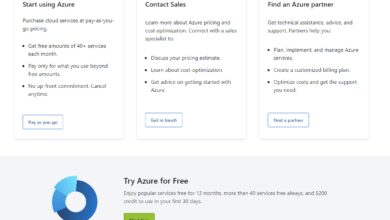
Visit azure.microsoft.com/free to sign up for a free account. You’ll get:
- $200 credit for 30 days
- Access to over 25 always-free services
- No upfront cost or commitment
After the trial, you can upgrade to a pay-as-you-go subscription.
Navigating the Azure Portal
The Azure Portal is a web-based interface to manage all your resources.
- Dashboard for monitoring key metrics
- Search bar to quickly find services
- Resource groups to organize related components
- Marketplace for deploying pre-built solutions
Familiarize yourself with the layout and explore sample templates to accelerate learning.
Essential Tools and Learning Resources
Microsoft offers extensive documentation and training.
- Azure Documentation: learn.microsoft.com/en-us/azure/
- Azure CLI and PowerShell: Automate tasks via command line
- Azure DevOps: CI/CD pipelines for application deployment
- Microsoft Learn: Free interactive modules and certifications
Start with the AZ-900: Azure Fundamentals exam to build foundational knowledge.
What is msft azure?
msft azure is Microsoft’s cloud computing platform that provides a wide range of services including computing, storage, networking, databases, AI, and security. It enables businesses to build, deploy, and manage applications in the cloud.
How does msft azure pricing work?
msft azure uses a pay-as-you-go model. You only pay for the resources you consume. There are also options for reserved instances, free tiers, and cost management tools to optimize spending.
Is msft azure secure?
Yes, msft azure is highly secure, offering enterprise-grade security features including encryption, threat detection, identity management, and compliance with over 100 international standards.
Can I run on-premise and cloud workloads together with msft azure?
Absolutely. msft azure supports hybrid cloud scenarios through services like Azure Arc, Azure Stack, and ExpressRoute, allowing seamless integration between on-premise and cloud environments.
What industries benefit most from msft azure?
Industries such as healthcare, finance, government, education, and manufacturing benefit greatly from msft azure due to its compliance, security, scalability, and AI capabilities.
msft azure is more than just a cloud platform—it’s a catalyst for digital transformation. With its robust infrastructure, cutting-edge AI tools, global reach, and commitment to security and sustainability, it empowers organizations to innovate faster and operate smarter. Whether you’re migrating legacy systems, building AI-powered applications, or ensuring business continuity, msft azure provides the tools and support you need. The future of computing is in the cloud, and with msft azure, that future is already here.
Further Reading: