Want to sign in to Azure Portal quickly and securely? Whether you’re a cloud beginner or a seasoned admin, mastering this process is essential for managing your Microsoft cloud resources with confidence and ease.



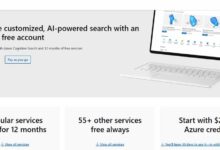
Sign In to Azure Portal: The Complete First-Time Guide

For many users, the first step in their Microsoft cloud journey begins with learning how to sign in to Azure Portal. This web-based interface is the central hub for managing virtual machines, storage accounts, networking, security policies, and more. Getting access right the first time sets the foundation for secure and efficient cloud operations.
What Is the Azure Portal?
The Azure Portal is a unified console provided by Microsoft that allows users to interact with Azure services through a graphical user interface. It’s accessible from any modern web browser and supports a wide range of administrative and operational tasks. From deploying applications to monitoring performance, the portal simplifies complex cloud management workflows.
- It provides a visual dashboard for monitoring resources.
- Supports role-based access control (RBAC) for team collaboration.
- Offers integration with Azure CLI, PowerShell, and REST APIs.
According to Microsoft’s official documentation, over 95% of Azure administrators use the portal as their primary management tool, especially during initial setup and troubleshooting phases (Learn more at Microsoft Learn).
Prerequisites to Sign In to Azure Portal
Before you can sign in to Azure Portal, certain requirements must be met. These include having an active internet connection, a supported browser (such as Chrome, Edge, or Firefox), and valid authentication credentials.
- You need either a Microsoft account (MSA) or a work/school account (Azure Active Directory account).
- If your organization uses Azure AD, you’ll typically sign in with your corporate email.
- Multi-factor authentication (MFA) may be required depending on your tenant’s security policy.
“The Azure Portal is designed for simplicity and scalability—making it ideal for both small teams and global enterprises.” — Microsoft Azure Documentation
Step-by-Step: How to Sign In to Azure Portal
Signing in to Azure Portal is a straightforward process, but understanding each step ensures you avoid common pitfalls. Let’s walk through the exact sequence of actions needed to gain secure access.
Navigate to the Official Azure Portal URL
The first step is to open your preferred web browser and go to the official Azure Portal website: https://portal.azure.com. Always ensure you’re visiting the correct URL to avoid phishing attempts.
- Avoid clicking on third-party links claiming to lead to the portal.
- Bookmark the official site for future use.
- Use HTTPS—never HTTP—to ensure encrypted communication.
Security experts recommend checking the SSL certificate of the site to confirm its authenticity, especially when logging in from public networks.
Enter Your Credentials Correctly
Once on the login page, enter your email address or phone number associated with your Microsoft or Azure AD account. After submitting your username, you’ll be prompted to enter your password.
- Ensure Caps Lock is off and your keyboard layout is correct.
- If you’re using a work account, make sure to include your domain (e.g., user@company.com).
- Use a password manager to avoid typos and enhance security.
If you’re part of an organization, your admin may have enforced password complexity rules or expiration policies. Make sure your password meets these criteria before attempting to sign in.
Complete Multi-Factor Authentication (MFA)
After entering your password, you may be required to complete multi-factor authentication. This adds an extra layer of security by verifying your identity through a second method.
- Options include receiving a code via SMS, using the Microsoft Authenticator app, or approving a push notification.
- Some organizations use hardware tokens or biometric verification.
- Failing MFA will block access, even with the correct password.
Microsoft reports that enabling MFA blocks over 99.9% of account compromise attacks. It’s one of the most effective security measures available (Source: Microsoft Security Blog).
Common Issues When Trying to Sign In to Azure Portal
Despite its reliability, users often encounter issues when trying to sign in to Azure Portal. Understanding these problems and their solutions can save time and reduce frustration.
Forgot Password or Locked Account
One of the most frequent issues is forgetting your password or getting locked out due to multiple failed attempts. Azure provides self-service password reset (SSPR) to help users regain access quickly.
- Click ‘Forgot password?’ on the login screen.
- Verify your identity using registered contact methods (email, phone, or authenticator app).
- Set a new password that meets complexity requirements.
Organizations can configure SSPR policies to allow users to reset passwords without IT intervention, improving productivity and reducing helpdesk load.
sign in to azure portal – Sign in to azure portal menjadi aspek penting yang dibahas di sini.
Incorrect Tenant or Subscription Selection
Users with access to multiple Azure tenants or subscriptions may accidentally sign in to the wrong one. This can lead to confusion when resources don’t appear as expected.
- Always check the tenant name displayed in the top-right corner after signing in.
- Use the directory switcher to change between available tenants.
- Contact your Azure admin if you don’t see the correct subscription listed.
Tip: Pin your most-used subscriptions to the favorites bar for quicker access.
Browser Compatibility and Cache Issues
Sometimes, the issue isn’t with credentials but with the browser itself. Outdated browsers, disabled JavaScript, or corrupted cache can prevent successful login.
- Clear your browser cache and cookies regularly.
- Try using an in-private or incognito window to rule out extension conflicts.
- Update your browser to the latest version.
If problems persist, try accessing the portal from a different device or network to isolate the cause.
Security Best Practices After You Sign In to Azure Portal
Successfully signing in to Azure Portal is just the beginning. Securing your session and protecting your cloud environment should be your next priority.
Enable Multi-Factor Authentication (MFA)
If MFA isn’t already enforced, enable it immediately. This simple step dramatically reduces the risk of unauthorized access.
- Go to Azure Active Directory > Security > Multi-Factor Authentication.
- Configure verification methods for your account.
- Encourage team members to enroll as well.
MFA is especially critical for global administrators and users with elevated privileges.
Use Role-Based Access Control (RBAC)
Relying on a single admin account for all tasks is risky. Instead, use RBAC to assign permissions based on job responsibilities.
- Assign built-in roles like ‘Reader’, ‘Contributor’, or ‘Owner’ as needed.
- Create custom roles for specialized access requirements.
- Regularly review access assignments to remove unnecessary permissions.
Principle of least privilege (PoLP) ensures users have only the access they need—no more, no less.
Monitor Sign-In Activity and Alerts
Azure provides powerful tools to monitor who is signing in and from where. Use Azure Monitor and Azure AD Sign-In logs to detect suspicious activity.
- Review sign-in logs for failed attempts or unusual locations.
- Set up alerts for sign-ins from anonymous IP addresses or high-risk countries.
- Integrate with Microsoft Defender for Cloud for advanced threat detection.
Proactive monitoring helps you respond to threats before they escalate into breaches.
Advanced Access Methods: Beyond Username and Password
While traditional login works, modern organizations are moving toward more secure and convenient authentication methods when they sign in to Azure Portal.
Using Single Sign-On (SSO)
Single Sign-On allows users to authenticate once and gain access to multiple applications, including Azure Portal, without re-entering credentials.
- SSO is typically configured through Azure AD for enterprise environments.
- Supports SAML, OAuth, and OpenID Connect protocols.
- Reduces password fatigue and improves user experience.
For example, employees can log in to their corporate network and automatically access Azure without a separate login step.
Signing In with Azure CLI or PowerShell
For automation and scripting, developers and DevOps engineers often prefer command-line tools over the web portal.
sign in to azure portal – Sign in to azure portal menjadi aspek penting yang dibahas di sini.
- Use
az loginin Azure CLI to authenticate via a device code or service principal. - PowerShell users can run
Connect-AzAccountfor the same purpose. - These methods support headless authentication, ideal for CI/CD pipelines.
Learn more about Azure CLI authentication at Microsoft Learn – Authenticate with Azure CLI.
Federated Identity and External Identities
Organizations increasingly use federated identity providers like Google, Facebook, or custom identity servers to allow external users to sign in to Azure Portal.
- Azure AD B2B collaboration lets partners access your resources securely.
- B2C enables customer-facing applications with social login options.
- Federation reduces the need to manage external user accounts manually.
This approach is ideal for SaaS providers, joint ventures, and customer portals.
Managing Multiple Accounts and Tenants
Many professionals manage more than one Azure account or work across multiple tenants. Knowing how to switch between them efficiently is crucial.
Understanding Azure Directories and Subscriptions
An Azure AD directory (tenant) is a dedicated instance of Azure AD for your organization. Each tenant can contain multiple subscriptions, which are billing and resource management boundaries.
- You can be invited to multiple tenants as a guest user.
- Each subscription belongs to one tenant but can be managed by users from other tenants.
- Use the directory switcher in the portal to move between tenants.
It’s common for consultants or IT partners to manage resources across several client tenants.
Switching Between Subscriptions Efficiently
Once signed in, you can change your active subscription using the subscription filter at the top of the portal.
- Click your profile icon and select ‘Switch Directory’ or ‘Change Subscription’.
- Pin frequently used subscriptions for quick access.
- Use Azure Lighthouse to manage multi-tenant environments at scale.
Tip: Use resource groups and naming conventions to organize resources across subscriptions.
Using Guest Accounts and Cross-Tenant Access
Azure supports cross-tenant collaboration through guest accounts. This allows users from one organization to access resources in another.
- Admins must invite guest users via email.
- Guests appear in the directory with a ‘Guest’ designation.
- Permissions are controlled via RBAC, just like regular users.
This feature is widely used in mergers, partnerships, and managed service provider (MSP) scenarios.
Optimizing Your Azure Portal Experience
After you sign in to Azure Portal, personalizing your workspace can boost productivity and streamline workflows.
Customizing the Dashboard
The Azure Portal dashboard is fully customizable, allowing you to create a personalized view of your most important resources.
- Add tiles for VMs, databases, cost analysis, or security alerts.
- Resize and rearrange tiles for optimal layout.
- Save multiple dashboards for different roles or projects.
For example, a DevOps engineer might have a dashboard focused on deployment pipelines, while a finance manager views cost trends.
Saving Frequently Used Resources
Pin critical resources like virtual machines, storage accounts, or web apps to your favorites for one-click access.
- Click the star icon next to any resource to pin it.
- Access pinned items from the ‘Favorites’ menu on the left sidebar.
- Organize favorites into categories for large environments.
This small habit can save hours over time, especially in complex cloud setups.
sign in to azure portal – Sign in to azure portal menjadi aspek penting yang dibahas di sini.
Using Quickstart Templates and Marketplace
The Azure Marketplace offers pre-built solutions and templates to accelerate deployment.
- Search for templates like ‘WordPress on Linux’ or ‘SQL Server on VM’.
- Deploy with just a few clicks after signing in.
- Customize parameters before deployment to fit your needs.
These templates reduce configuration errors and ensure best practices are followed from the start.
How do I sign in to Azure Portal if I don’t have an account?
You can create a free Azure account with $200 in credits and access to over 25 always-free services. Visit azure.microsoft.com/free to get started. After registration, you can sign in to Azure Portal using your new Microsoft account.
What should I do if I’m unable to sign in to Azure Portal?
First, verify your internet connection and browser compatibility. Then check if your account is locked or expired. Use the ‘Forgot password?’ option to reset credentials. If issues persist, consult Azure’s Service Health dashboard to see if there’s an ongoing outage.
Can I sign in to Azure Portal from a mobile device?
Yes, the Azure Portal is mobile-responsive and works well on smartphones and tablets. For a better experience, download the Microsoft Azure app from the App Store or Google Play, which provides notifications, resource management, and quick access to key functions.
Is it safe to sign in to Azure Portal on public Wi-Fi?
It’s not recommended to sign in to Azure Portal on public Wi-Fi due to the risk of man-in-the-middle attacks. If necessary, use a trusted virtual private network (VPN) to encrypt your connection and ensure your browser shows a secure HTTPS connection.
How can I improve my Azure Portal login speed?
To speed up login, clear your browser cache, disable unnecessary extensions, and use a fast, modern browser. Bookmarking portal.azure.com and using password managers can also reduce login time. For organizations, enabling SSO can eliminate repeated authentication steps.
Signing in to Azure Portal is the gateway to managing your entire Microsoft cloud ecosystem. By following best practices for authentication, security, and navigation, you can ensure a smooth, secure, and productive experience. Whether you’re a beginner or an expert, mastering this process empowers you to leverage Azure’s full potential efficiently and safely.
sign in to azure portal – Sign in to azure portal menjadi aspek penting yang dibahas di sini.
Recommended for you 👇
Further Reading: